
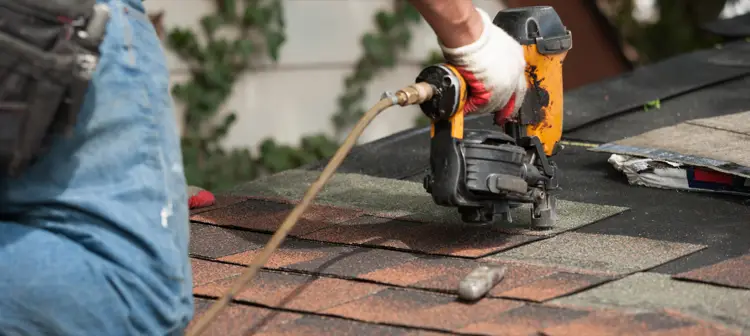
A roof leak can start small, but lead to big problems. If you’re seeing water stains on your ceiling, drips, or moisture in your attic, this guide will help you understand what’s going on, what it’ll cost, and what your next steps should be. We’ve helped hundreds of homeowners in Northern Indiana and Southwest Michigan repair roof leaks, and here’s everything we think you should know.
What Causes Roof Leaks?
Roof leaks can come from many sources. Some are obvious, others are hidden and take a professional to identify. Here are the most common causes:
- Improper Installation: Common problems include nails that are overdriven and go through the shingle, or underdriven and hold up the shingles, preventing proper sealing. It can also come from nailing too high above the nailing zone or too low below the nailing zone of the shingles – too high and you risk the shingle blowing off, too low and the nails will be showing, and exposed nails can create leaks.
- Improper flashings: This includes step flashings, counter flashings and pipe flashings. Some contractors avoid replacing these when they replace the roof because it takes a lot of time. This leaves you with a vulnerability, as the flashings are old and could fail.
- Storm Damage: Wind, hail, or falling branches can compromise the roof surface.
- Aging Roof: As Shingles age, the granules can start to break free from the asphalt mat of the shingle and eventually get down to the tar or fiberglass shingle mat. That’s when water can start penetrating the shingles and create issues.
- Pipe Collars & Vents: These rubber seals deteriorate over time and often crack.
- Skylights & Chimneys: Improper flashing or caulking around these areas can lead to hidden water intrusion. With skylights, the seal that holds the glass to the frame can break down over time, causing leaks. On chimneys, the mortar can crack and become brittle, leading to deterioration and separation that creates a space for water to enter.
- Roof Valleys: It is important to have the proper code guidelines for valley underlayment installation as well as the shingles because the roof valley is where all your water will collect and run off the roof.
- Debris Buildup: Leaves and dirt trap moisture, accelerating deterioration and causing mildew. Debris in gutters can also lead to the gutter clogging and water overflowing the gutter and finding its way back into the house.
- Ice Dams (Indiana Winters): Freeze/thaw cycles push water back under the shingles.

“Don’t assume the leak is right above the stain you see. Water loves to travel along the rafters before it finally drips into your home, so the spot on your ceiling is often nowhere near where it actually got in.”
How Roof Leaks Are Repaired
Every leak starts with a thorough inspection. This often includes:
- Attic checks for moisture, staining, or mold
- Roof surface walkaround
- Flashing and valley examination
- Photo documentation
Depending on the diagnosis, your contractor may recommend:
- Shingle or tile replacement
- Flashing repair or replacement
- Pipe boot/vent seal replacements
- Partial re-roofing
- Decking or underlayment repair (if there’s rot or saturation)
Lyle’s Pro Tip“Ask your roofer exactly which flashings they’re replacing and why. Flashing is one of the most common failure points I see, so you want a straight answer, not a shrug.”
How Much Does It Cost to Fix a Roof Leak?
Leak repair costs vary widely. Based on both our experience and industry averages, here’s a realistic breakdown:
| Repair Type | Typical Cost Range |
| Pipe Collar / Vent Flashing Leak | $750-$1,650 |
| Valley or Roof Pitch Transition | $1,750-$2,950 |
| Chimney / Skylight Leak | $1,500-$4,200 |
| Roof-to-Wall Flashing Leak | $1,850-$3,550 |
| Minor Nail Hole or Sealant Failure | $550-$1,100 |
| Emergency Tarping / Temp Fix | +$300-$600 |
What affects the cost?
- Steep roof pitch = slower, riskier repair = more labor
- Multiple stories = added setup and access time
- Hidden decking damage = additional materials
- Special shingles or metals = harder to match or install
Lyle’s Pro Tip“Never skip the attic inspection. That’s the only way to really know if the damage has spread underneath where you can’t see it from the ground.”
Why You Shouldn’t Delay Roof Leak Repairs
Ignoring a leak can turn a $700 fix into a $7,000 headache. Here’s what we’ve seen happen when leaks go untreated:
- Mold and mildew growth in insulation and walls
- Structural rot in decking and rafters
- Destroyed drywall and paint
- Electrical hazards
A delay doesn’t just increase cost, it risks the safety and comfort of your home.
This article is part of our complete guide to roof replacement costs and decisions.
Red Flags to Watch Out For
Hiring the wrong contractor can be as bad as ignoring the leak. Watch out for:
- No attic inspection
- No clear quote or scope of work
- Lack of photo evidence or communication
- Contractors without proper workers’ comp and liability insurance
- Unlicensed contractors
- Contractors who don’t pull the required permits
- Contractors who don’t register manufacturer warranty certificates
Lyle’s Pro Tip“Here’s a simple test: if they won’t tell you what flashing they’re replacing, they probably aren’t replacing it at all.”
Read our 10 Questions Article here
Call Better Way now and avoid big problems later
Roof leaks don’t fix themselves. The sooner you act, the better the outcome. At Better Way Roofing, we believe in straight answers, detailed inspections, and honest quotes.
Need help now?
We’ll walk the roof, check the attic, and get you a detailed estimate, fast, fair, and pressure-free.📞 Call Better Way Roofing at (574) 370-8342 orContact Us Online